Get Accessible Bathroom Remodeling
Accessible bathroom remodeling services help property owners improve safety and usability through projects like walk-in showers, grab bars, and barrier-free designs handled by local contractors.
Accessible bathroom remodeling services are an important consideration for property owners seeking to enhance safety, functionality, and independence within their homes. Whether planning for aging-in-place modifications, accommodating mobility challenges, or simply aiming to improve everyday convenience, many local property owners explore these projects to create more accessible living spaces. This page provides helpful guidance on how to start planning such renovations and offers resources to compare local contractors experienced in accessible bathroom upgrades.
By exploring options from trusted service providers in the area, property owners can find the right professionals to handle their remodeling needs. Comparing local contractors allows for a better understanding of available services and helps identify the best fit for specific project requirements. Keep reading to learn more about the benefits of accessible bathroom remodeling and how to connect with experienced local service providers.
- Accessible Bathroom Remodels - needed when upgrading a bathroom to meet mobility or accessibility requirements.
- Walk-in Shower Installations - suitable for those seeking safer, barrier-free shower options.
- Grab Bar and Handrail Installation - essential for enhancing safety in existing bathrooms.
- Bathroom Accessibility Modifications - required for individuals with disabilities or limited mobility.
- Barrier-Free Bathroom Renovations - appropriate when removing obstacles to improve bathroom usability.
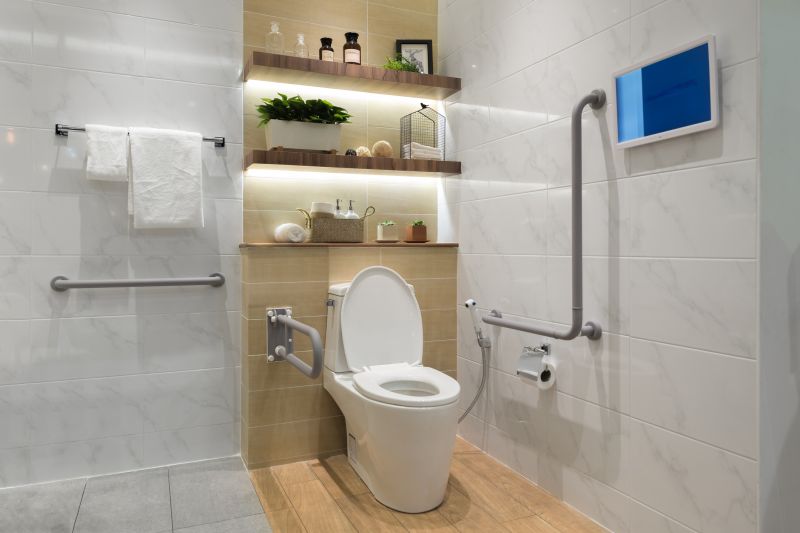
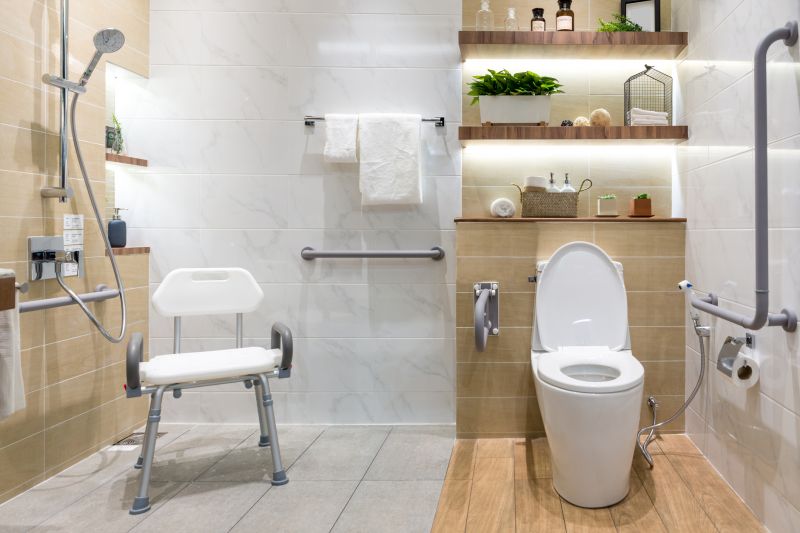
Accessible bathroom remodeling services focus on making bathrooms safer, more functional, and easier to use for individuals with mobility challenges, disabilities, or aging-related needs. These services typically involve installing features such as grab bars, non-slip flooring, walk-in or curbless showers, higher toilets, and wider doorways to improve accessibility. The goal is to create a bathroom environment that promotes independence and reduces the risk of accidents, making daily routines more manageable for those with physical limitations or health concerns.
This type of remodeling addresses common problems like difficulty stepping over traditional bathtub thresholds, limited space for maneuvering mobility devices, or the lack of safety features that can prevent slips and falls. It also helps solve issues related to reaching fixtures or controls that are placed too high or are otherwise difficult to access. By upgrading bathrooms with these modifications, homeowners can enhance safety, comfort, and usability, ensuring the space accommodates changing needs over time.
Accessible bathroom remodeling services are often used in a variety of property types, including homes, senior living residences, assisted living facilities, and multi-family housing units. These projects are particularly common in residences where aging family members wish to remain independent or where mobility impairments have been recently diagnosed. Property managers and facility owners may also seek these services to meet accessibility standards and improve the safety and functionality of their spaces for residents or tenants.
Homeowners who experience mobility limitations, have elderly family members, or want to prepare their homes for future needs should consider accessible bathroom remodeling. Recognizing signs such as difficulty getting in and out of the bathtub, trouble turning around in the bathroom, or concerns about slipping can indicate that this type of upgrade is appropriate. Local contractors specializing in accessible bathroom modifications can provide practical solutions that enhance safety, usability, and peace of mind for those living in the space.
The overview below groups typical Accessible Bathroom Remodeling projects into broad ranges so you can see how smaller, mid-sized, and larger jobs often compare in your area.
In many markets, a large share of routine jobs stays in the lower and middle ranges, while only a smaller percentage of projects moves into the highest bands when the work is more complex or site conditions are harder than average.
Smaller Repairs - Many minor accessibility upgrades, such as installing grab bars or replacing fixtures, typically range from $250-$600. These projects are common and usually fall within the lower to mid-range costs. Larger, more involved repairs can cost more depending on complexity.
Mid-Range Remodels - Mid-sized bathroom modifications, including threshold removal or partial layout adjustments, often cost between $1,000-$3,000. Most local contractors handle projects in this range, though costs can vary based on materials and scope.
Full Bathroom Replacement - Complete remodels that involve replacing fixtures, flooring, and accessibility features generally range from $5,000-$15,000. Fewer projects reach the higher end, which typically involves custom features or extensive structural work.
Larger, Complex Projects - Extensive accessibility overhauls, including redesigning layouts or adding specialized equipment, can exceed $20,000. These projects are less common and tend to involve customized solutions tailored to specific needs.
Actual totals will depend on details like access to the work area, the scope of the project, and the materials selected, so use these as general starting points rather than exact figures.
Kitchen Accessibility Remodels - these projects involve modifying kitchens to improve accessibility, requiring similar planning, space considerations, and installation skills as bathroom remodeling.
Home Entryway Modifications - updating doorways, ramps, and thresholds to enhance mobility aligns with accessibility improvements in bathrooms.
Walk-in Shower Installations - replacing traditional showers with walk-in designs involves plumbing, tiling, and space planning skills comparable to accessible bathroom upgrades.
Grab Bar and Support Handle Installations - adding safety features like grab bars requires precise planning and installation, similar to bathroom accessibility enhancements.
Flooring Replacement and Leveling - upgrading bathroom flooring for safety and ease of movement involves surface preparation and material installation skills used in accessible remodeling.
Basement Bathroom Conversions - transforming basement spaces into accessible bathrooms demands similar layout planning and plumbing work as other accessible remodeling projects.
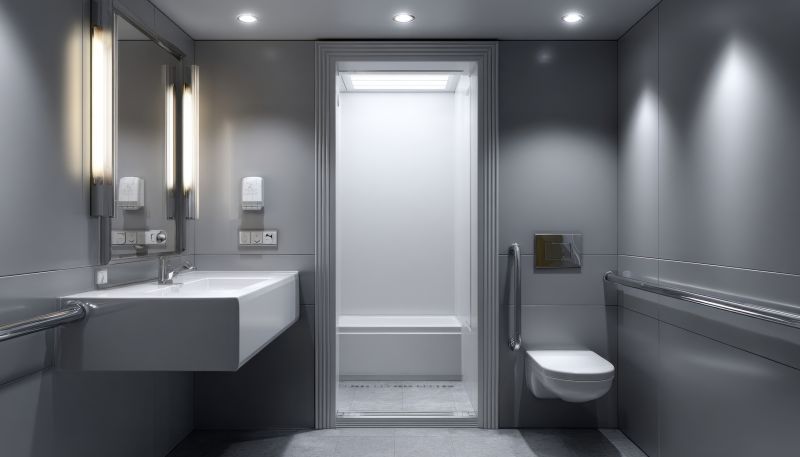
When evaluating local contractors for accessible bathroom remodeling, it’s important to consider their experience with similar projects. Homeowners should look for service providers who have a proven track record of completing bathroom modifications that meet accessibility needs. Asking about past work can help determine if a contractor has the relevant skills and understanding to handle the specific requirements of an accessible bathroom, ensuring the project is approached with familiarity and expertise.
Clear, written expectations are vital to a successful remodeling experience. Homeowners should seek service providers who can provide detailed proposals outlining the scope of work, materials, and any other relevant details. Having these expectations documented helps prevent misunderstandings and ensures everyone is aligned on the project’s goals. Good communication from the outset can make the process smoother and more transparent, giving homeowners confidence that their needs and preferences will be understood and addressed.
Reputable references and strong communication are key factors when choosing local contractors. Homeowners are encouraged to ask for references from previous clients who had similar projects completed. Contacting these references can provide insights into the contractor’s reliability, quality of work, and professionalism. Additionally, service providers who communicate clearly and promptly tend to be more responsive to questions and concerns, fostering a collaborative relationship. It’s important to remember that this site introduces homeowners to local options for accessible bathroom remodeling; it does not perform the work itself.
Property owners use Accessible Bathroom Remodeling services for practical projects around their homes and businesses. This guide focuses on everyday jobs and straightforward project options.
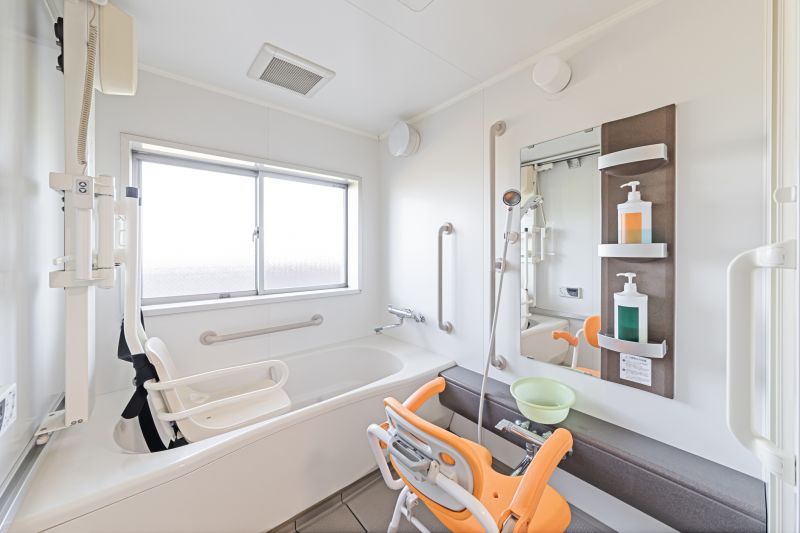
Accessible bathroom remodeling services are often needed when property owners want to improve safety and functionality in their homes. This may include installing grab bars, walk-in showers, or wider doorways to accommodate mobility aids. Many local contractors are experienced in making these adjustments to support aging in place or to assist individuals with mobility challenges, helping families maintain independence and comfort.
Homeowners might also seek accessible bathroom updates during renovations to enhance convenience for all users or to prepare for future needs. Simple modifications such as lowered sinks, non-slip flooring, or barrier-free entries can make a significant difference. Local service providers are available to evaluate existing spaces and recommend practical solutions tailored to specific needs, ensuring the bathroom remains safe and accessible for everyday use.
What types of accessible bathroom remodeling services are available? Local contractors offer a range of services including installing grab bars, walk-in tubs, wheelchair-accessible showers, and barrier-free flooring to improve bathroom accessibility.
How can accessible bathroom remodeling benefit individuals with mobility challenges? These services help create safer and more comfortable bathroom environments, reducing the risk of slips and falls for those with mobility needs.
Are there design options to match different bathroom styles while maintaining accessibility? Yes, service providers can customize accessible features to complement various design preferences without compromising functionality.
What should be considered when planning accessible bathroom modifications? It's important to evaluate the specific mobility needs, space layout, and safety features to ensure the remodel effectively enhances accessibility.
How do local contractors ensure the quality of accessible bathroom remodeling? Experienced service providers use quality materials and follow best practices to deliver durable and functional accessible bathroom upgrades.
Accessible Bathroom Design Ideas - Property owners can explore modifications that improve safety and ease of use for all household members. Local contractors can help implement features like grab bars, low-threshold showers, and non-slip flooring.
Bathroom Accessibility Upgrades - Homeowners may consider upgrading existing bathrooms to better accommodate mobility needs, such as widened doorways or accessible fixtures. Service providers can assist with installing these practical improvements.
Universal Bathroom Improvements - Property owners can plan for future accessibility by incorporating flexible design elements that can adapt to changing needs over time. Local pros can help select and install versatile features.
Remodeling for Aging-in-Place - Homeowners looking to make their bathrooms safer and more comfortable as they age can work with local contractors to add accessible features that support independence.
If you are thinking about Accessible Bathroom Remodeling for a property, this guide is meant to help you understand the work, the typical project types, and how different options might fit your plans.
When you are ready, you can use the quote form on this page to share a few details about your project. From there, local pros can review the basics and respond with options that match what you have in mind.